Have you ever noticed that a cup of tea can leave you feeling both refreshed and calm? One reason may be L-theanine, a naturally occurring amino acid found almost exclusively in the tea plant (Camellia sinensis).
While it is just one of the many naturally occurring compounds found in tea, L-theanine plays an important role in both the flavour and unique drinking experience that tea lovers have enjoyed for centuries.
What is L-theanine?
L-theanine is an amino acid, produced naturally by the tea plant. It is formed in the roots before being transported to the young leaves, where it becomes part of the chemistry that shapes the finished tea.
As well as contributing to tea's smooth flavour and aroma, L-theanine has been widely studied for the way it interacts with caffeine and the brain.
How much is in a cup of tea?
The amount of L-theanine in brewed tea varies considerably. A typical cup may contain approximately 5–25 mg, depending on factors such as:
- the type of tea
- growing conditions
- harvest season
- processing methods
- brewing technique
Why do some teas contain more L-theanine than others?
(a) Shade-grown teas
Teas such as Gyokuro and Matcha are grown under shade before harvest. Reduced sunlight encourages the tea plant to retain higher levels of L-theanine, contributing to their rich umami character.
(b) Young spring leaves
The first flush of the season or early harvest leaves generally contain more L-theanine than later harvests. During winter, the tea plant stores L-theanine in its roots before directing it into the first tender shoots of spring.
(c) Tea processing
The way a tea is processed also influences its L-theanine content. Green teas and white teas generally retain more L-theanine than fully oxidised black teas. During the oxidation process used to produce most black tea, some L-theanine is transformed into other naturally occurring compounds.
L-theanine and tea flavour
L-theanine is one of the compounds responsible for tea's smooth, rounded taste. It contributes subtle sweetness, balances bitterness and is closely associated with the savoury umami character found in many Japanese green teas.
Why has L-theanine attracted so much interest?
L-theanine has been the subject of considerable scientific research over the past two decades. This growing interest has also led to L-theanine being widely available as a dietary supplement in capsule form.
Research suggests that, when consumed as part of tea, L-theanine works alongside caffeine to support a state of calm, focused alertness. It has also been studied for its potential effects on relaxation, cognitive performance and sleep quality. While the findings are promising, research is ongoing and individual experiences will naturally vary.
The leaf that keeps on giving
Every cup of tea contains a remarkable collection of naturally occurring compounds that contribute to its flavour, aroma and character. L-theanine is one of those quiet contributors, helping to make tea such an enjoyable and distinctive drink.
So the next time you brew your favourite cup, take a moment to appreciate not only its taste, but also the fascinating chemistry that has been developing inside the tea leaf long before it reached your teapot.
Happy Tea Times
Tea to Try
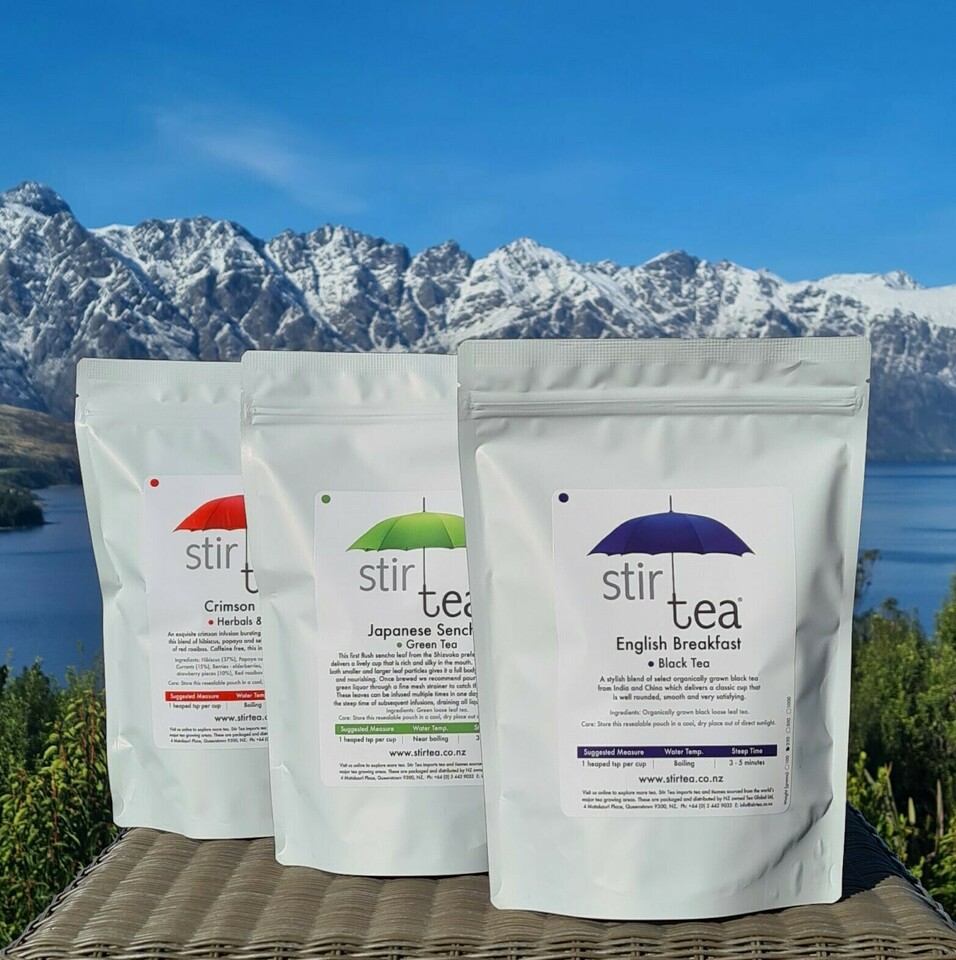
If you'd like to experience teas in the Stir range that are naturally rich in L-theanine, consider exploring: Japanese Sencha, White Peony, Silver Needle.
Posted: Thursday 8 October 2026